Winter: October to March
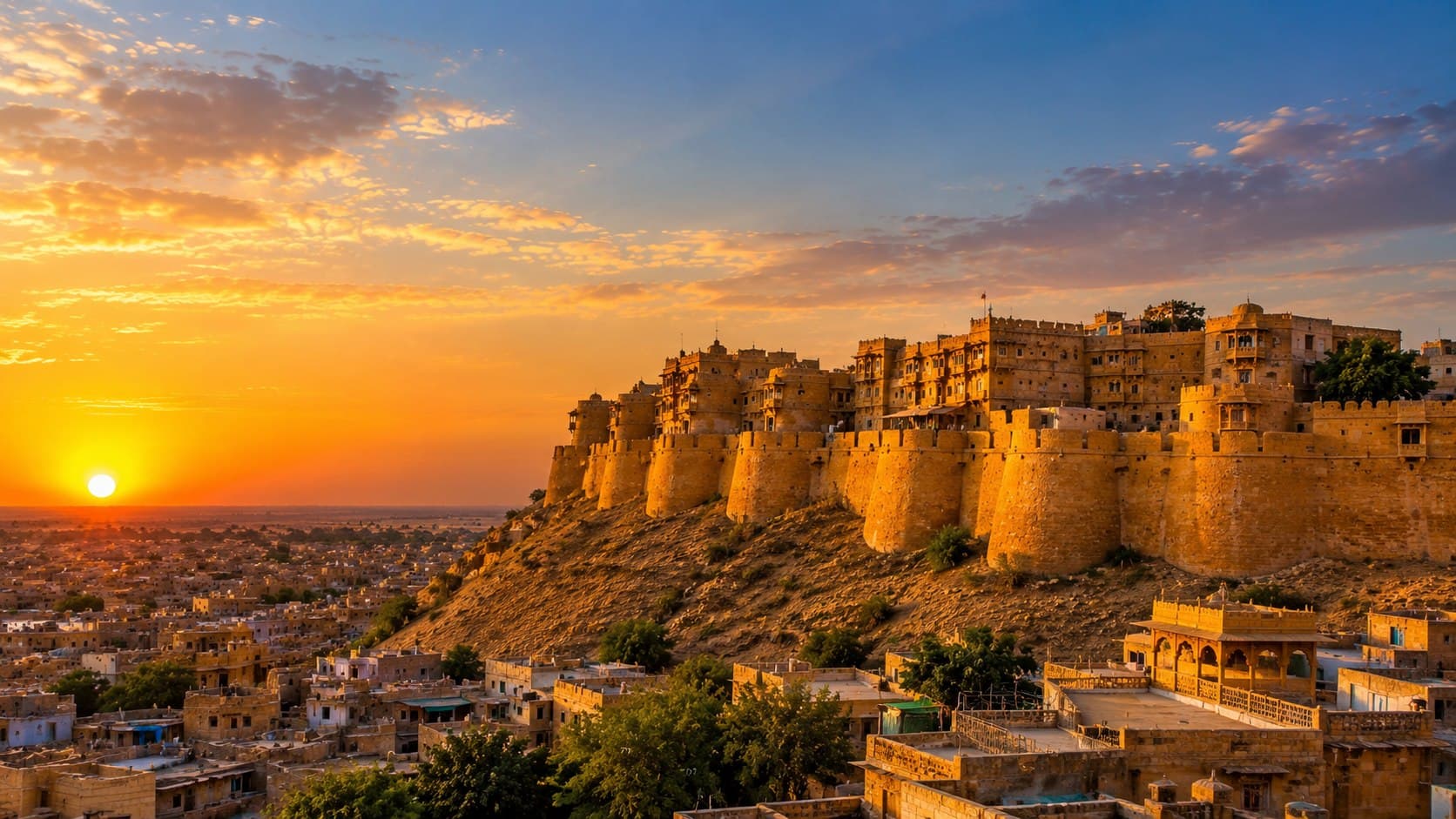
For most travellers, the cooler months from October to March are the most comfortable time to visit. Days are usually warm and sunny, which suits exploring the fort and the havelis, and late afternoons on the dunes are pleasant.
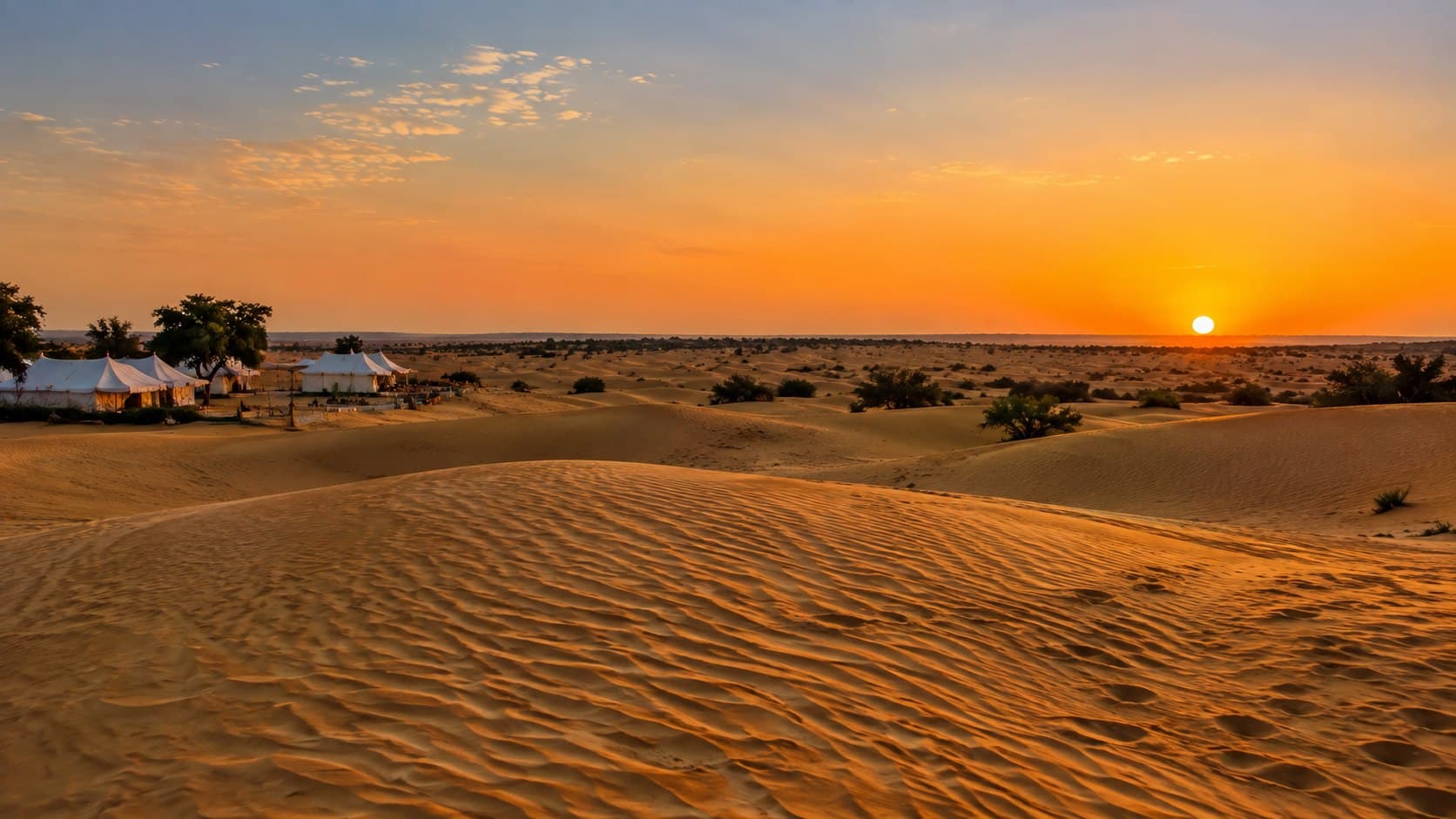
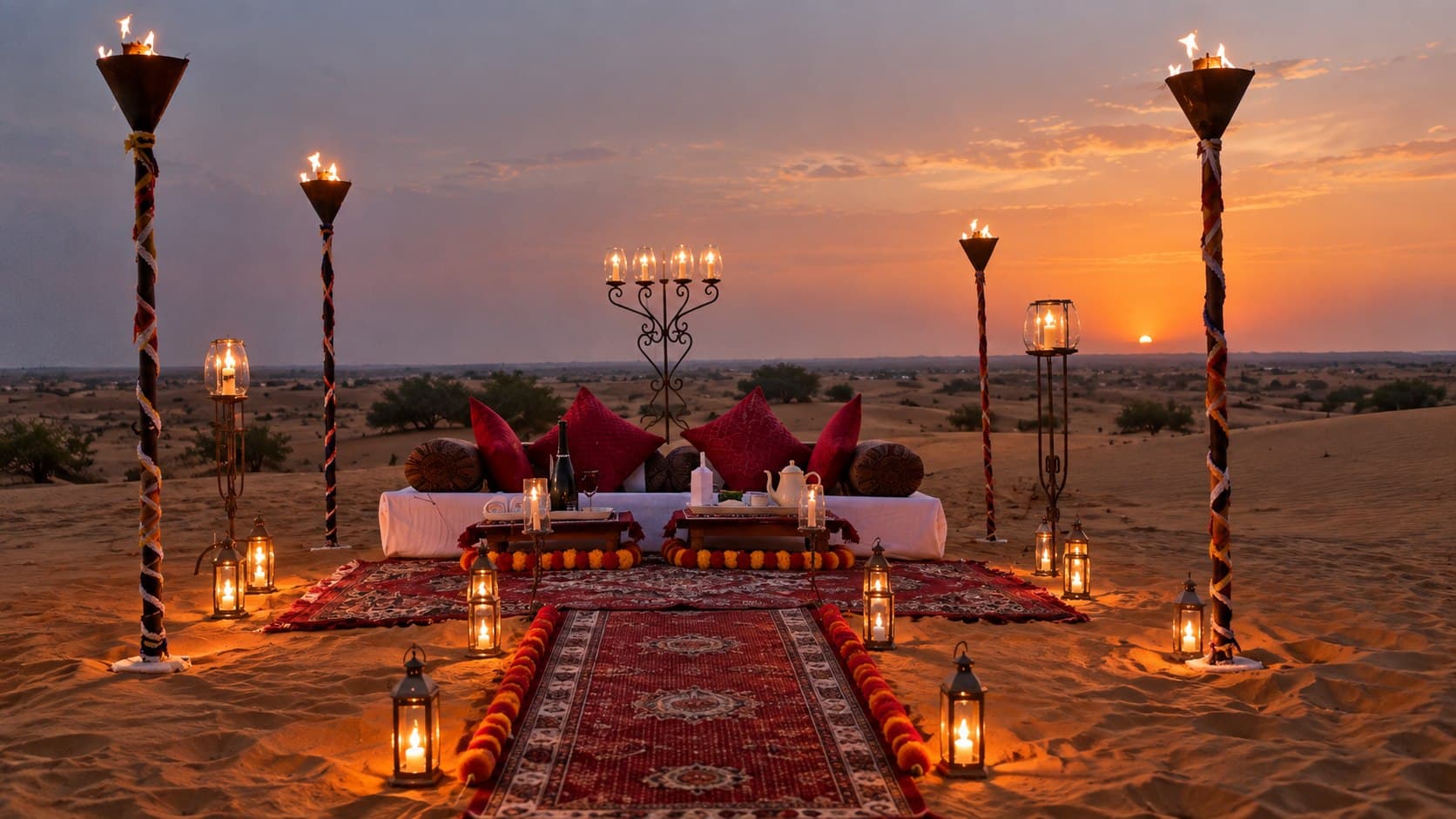
Desert nights are a different story. The temperature drops quickly after sunset, and in December and January nights in the desert can be properly cold. If you are staying at a desert camp, pack warm layers.
This is also the busiest time of year in Jaisalmer, so it is worth planning ahead.
- Warm, sunny days for sightseeing
- Cool evenings for camel and jeep safaris
- Cold desert nights in December and January
The Desert Festival
Jaisalmer’s Desert Festival is held every winter, usually in January or February, and ends on the full moon of the Hindu month of Magh. It fills the city and the dunes with folk music, dance and camel events.
Because it follows the lunar calendar, the dates change every year. Check the year’s dates before you plan your trip around it.
Summer: April to June
Jaisalmer sits in the Thar Desert, and summer here is very hot. Daytime temperatures often climb above 40 °C, and the midday sun makes sightseeing tiring.
If summer is when you can travel, keep safaris and sightseeing to the early morning and evening, drink plenty of water and plan to rest through the hottest part of the day.
Monsoon: July to September
Jaisalmer gets very little rain compared with most of India, even in the monsoon months. It stays hot, though the odd shower can cool the evenings. It is a quieter time to visit.
Whatever the month: plan around sunset
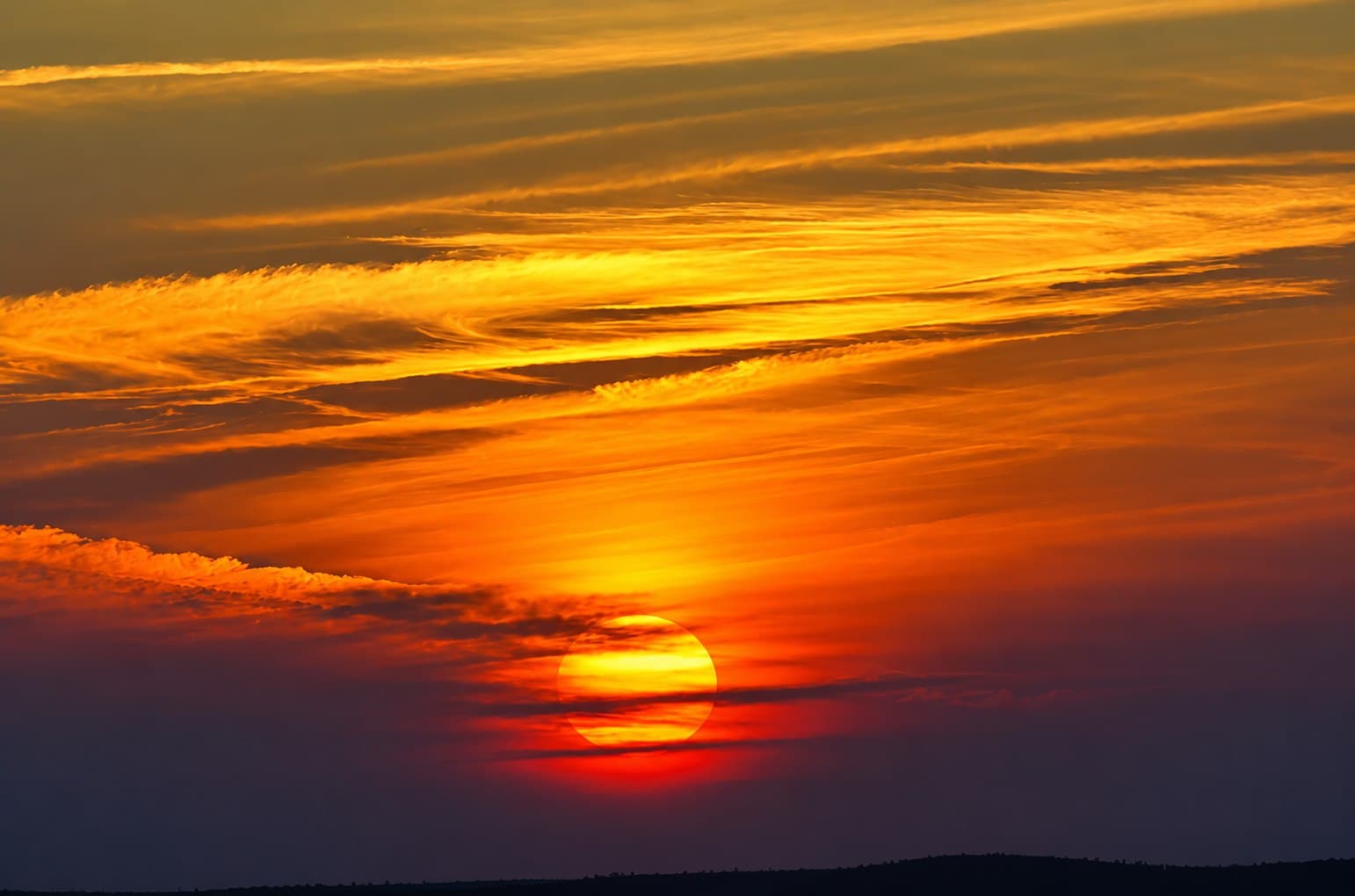
The best light in Jaisalmer comes at the ends of the day. The yellow sandstone of the fort glows gold in the late afternoon, and sunset over the dunes is the high point of most desert safaris. Sunrise on the dunes is quieter and cooler.
Tell us when you would like to travel and who is coming, and we will suggest how to fit the city, the dunes and a night at the camp into your days.